
Selecting Windows, External Doors & Compound Gates: Powder-Coated Aluminum vs. Hardwood Fabrication
A practical guide to balancing highland weather durability, UV exposure, security, and maintenance across Ethiopian building facades.
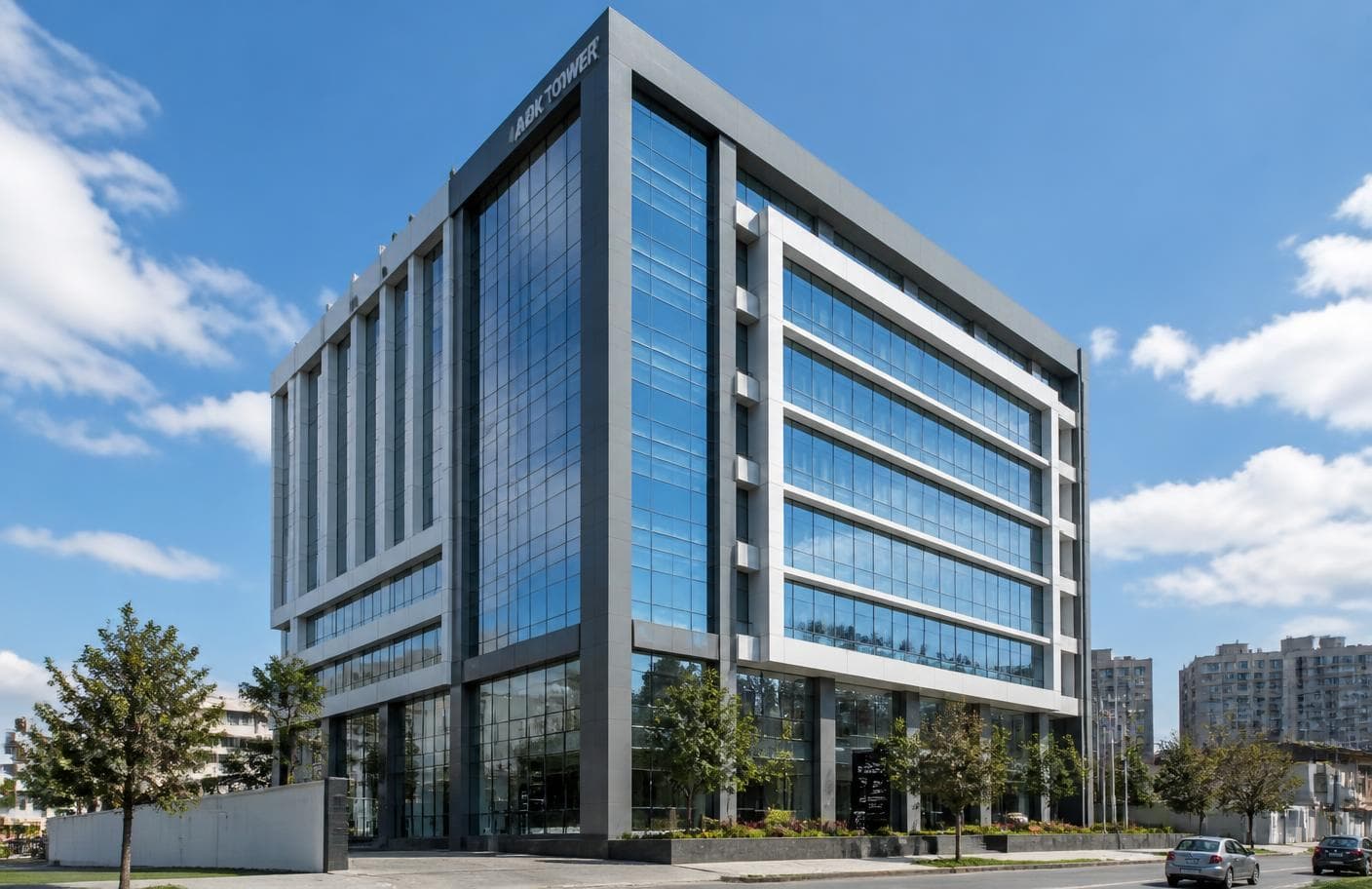
1. Addis Ababa's Highland Microclimate: UV Radiation, Thermal Shock, and Wind Loads
At an average altitude of 2,355 meters above sea level, Addis Ababa presents a uniquely demanding environment for external building envelopes. The city receives intense ultraviolet radiation during the day, followed by rapid nocturnal cooling. This is compounded by four months of relentless wind-driven Kiremt downpours.
Fenestration systems that perform adequately in coastal or low-altitude climates frequently fail in the Ethiopian highlands. Low-grade imported aluminum profiles bend under wind shear, cheap plastic gasket seals harden and shrink under UV rays, and poorly seasoned timber doors warp, swell, and jam during the rainy season. Selecting and properly engineering external doors, windows, and compound gates is essential for the long-term value and comfort of any property.
Highland ultraviolet radiation breaks down sub-standard PVC and low-grade rubber seals within 18 months. Always specify genuine EPDM vulcanized rubber weatherstripping and structural silicone.
2. Architectural Aluminum: Profile Thickness and Structural Integrity
The most common cost-cutting maneuver in the local fenestration market is the substitution of lightweight 1.0mm or 1.2mm aluminum profiles in place of structural architectural extrusions. While they look similar on day one, light profiles lack the moment of inertia required to support large glass lites. Under gusty highland winds, these thin profiles flex, causing perimeter seals to break, glass to rattle, and rainwater to drive into interior rooms.
Yebis Engineering fabricates all exterior window and curtain wall systems using certified structural aluminum extrusions with a minimum wall thickness of 1.8mm to 2.2mm. Profiles receive an architectural-grade electrostatic polyester powder coating (60 to 80 microns thickness) baked at 200°C, providing decades of color retention and salt-spray corrosion resistance.
3. High-Performance Double Glazing: Acoustic Damping on Urban Corridors
With traffic volume growing rapidly along major arteries such as Bole Road, Ring Road, and Haile Gebrselassie Avenue, acoustic insulation has become a primary requirement for commercial offices, hotels, and luxury residences.
Single 5mm float glass provides virtually zero acoustic damping (Sound Transmission Class of ~28 dB). Yebis designs and installs double-glazed hermetically sealed units (IGUs) consisting of a 6mm tinted or Low-E outer pane, a 12mm dehydrated air or argon gas cavity, and a 6mm clear tempered inner pane. This system elevates acoustic attenuation to STC 38+ dB while dramatically reducing solar heat gain during sunny afternoons, lowering air-conditioning loads.
4. Solid Hardwood vs. Engineered Composite Doors: Where Timber Thrives
Natural timber offers timeless warmth, tactile beauty, and prestige that synthetic materials cannot match. In the Ethiopian market, native hardwoods such as Wanza (Cordia africana), Tid (Juniperus procera), and imported Teak or Mahogany remain popular for main entrance doors and interior passages.
However, timber is inherently hygroscopic—it absorbs moisture in Kiremt and shrinks during dry Bega months. When unseasoned local timber is used for external doors exposed to driving rain and western sun, warping and joint delamination are inevitable. Yebis recommends solid hardwood exclusively for protected interior doors or deeply recessed entry portals, using kiln-dried timber with moisture content stabilized below 12%, sealed with marine-grade polyurethane varnishes.
For exposed perimeter entrances, hybrid doors featuring galvanized steel structural sub-frames with decorative hardwood cladding provide the optimal balance of high security and natural timber aesthetics.
5. Compound Gates and Perimeter Security Engineering
A compound gate in Addis Ababa is not merely an architectural statement; it is the first line of security and vehicle management. Heavy sliding gates hung on cheap nylon rollers or flimsy bottom tracks inevitably jump their guides and become difficult to operate.
Yebis Engineering fabricates heavy-gauge hollow structural steel (HSS) gates featuring internal structural diagonal bracing, hot-dip galvanized primer coats, and heavy-duty steel bearing rollers riding on solid ground tracks anchored into reinforced concrete grade beams. We integrate conduit pathways for automatic gate operators, intercom access systems, and safety photocells directly into the gate pillars during civil casting.
6. Workshop Fabrication vs. Site Glazing: Eliminating Water Ingress
Many local workshops assemble aluminum windows directly on the construction site floor amidst dust and debris, using manual hand tools and inconsistent silicone application. This almost always results in out-of-square frames and leaking corner joints.
At Yebis Engineering, all window and door frames are precision-machined in our dedicated workshop using automated mitering saws, hydraulic corner crimpers, and continuous EPDM perimeter gaskets. Frames are delivered to the site fully assembled, protected with peel-off protective films, and installed into prepared structural masonry openings using expansion anchors and neutral-cure perimeter silicone.
Published as part of our commitment to transparent construction standards, rigorous multi-trade sequencing, and client protection across Ethiopia.
Have a similar project or structural challenge?
Consult directly with our engineering principals. We evaluate architectural drawings, BOQs, and site conditions within 48 operational hours.