
Restoring Aging or Damaged Buildings: Remedying Roof Slab Leaks, Wall Cracks, and Dampness
A contractor's diagnostic approach to repairing older residential villas, commercial blocks, and institutional compounds.
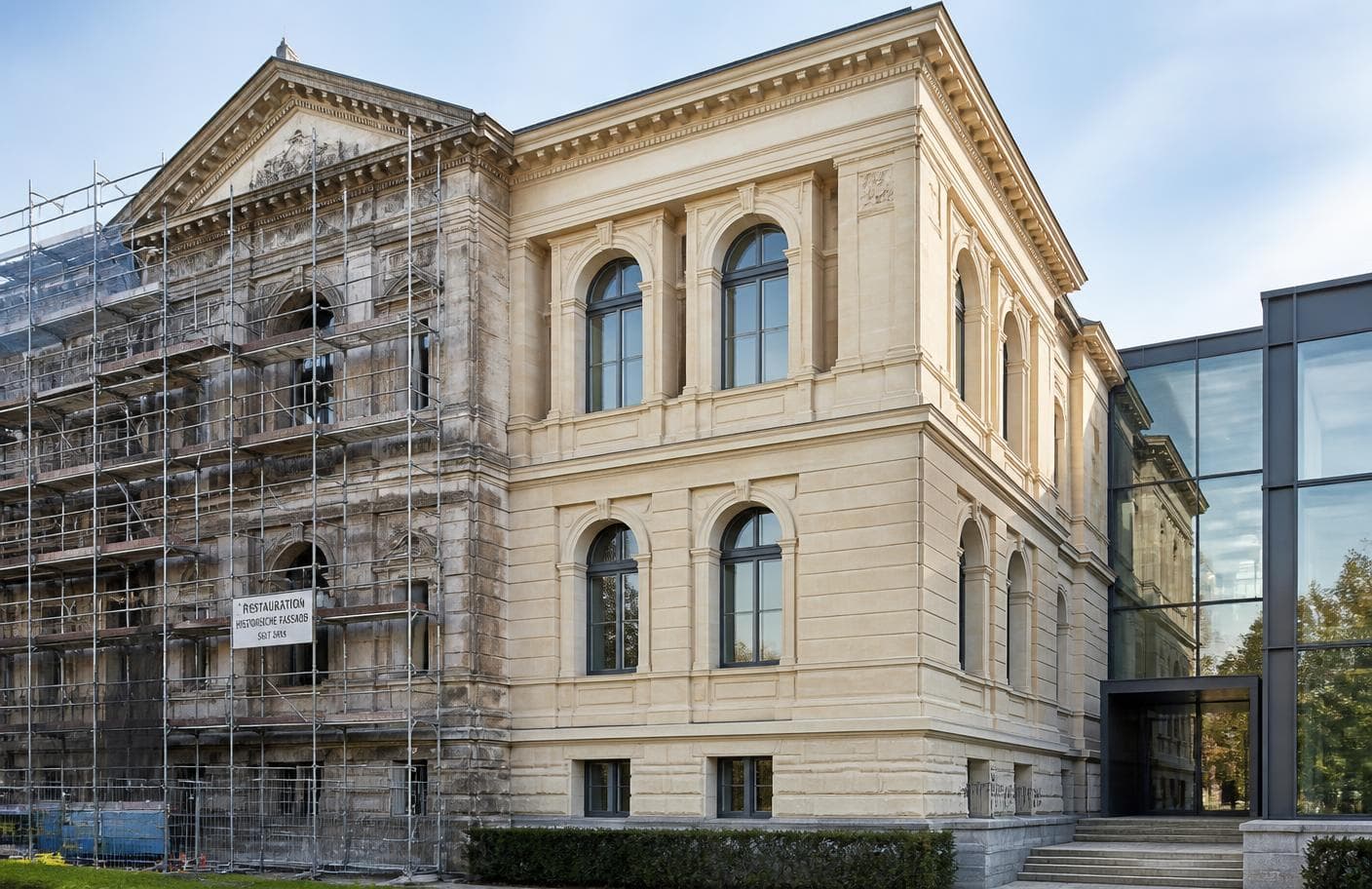
1. The Anatomy of Building Deterioration Across Addis Ababa
Much of Addis Ababa's commercial and residential stock constructed 10 to 30 years ago is now showing acute signs of distress. Aging properties in Bole, Old Airport, Kazanchis, and Arat Kilo frequently exhibit recurring ceiling water stains, flaking paint, pervasive musty odors in ground floors, and alarming diagonal cracks along masonry partitions.
Property owners often respond to these symptoms by hiring painters to scrape and repaint the affected walls every dry season. This cosmetic masking fails to treat the underlying pathology. Water continues to corrode embedded rebar, degrade cementitious bonds, and destabilize foundations. Effective building restoration demands a forensic diagnostic approach that identifies and eliminates root causes.
Repainting over damp walls or active cracks is a waste of capital. Unless the source of moisture or ground settlement is resolved, paint finishes will bubble and peel within weeks of the first rainfall.
2. Flat Roof Slab Remediation: Why Traditional Bituminous Tar Fails
Historically, flat concrete roofs in Ethiopia were waterproofed using hot-applied asphalt bitumen or single-ply torch-on membranes. Under the intense UV radiation of Addis Ababa's high altitude, bitumen oxidizes rapidly, losing its plasticizers and becoming brittle within 24 to 36 months.
As the concrete slab expands and contracts during daily thermal cycles, the brittle bitumen tears at joints, allowing rainwater to penetrate beneath the membrane and travel horizontally across the slab before dripping through light fixtures and ceilings meters away from the actual leak.
Yebis Engineering replaces degraded tar with a liquid-applied hybrid elastomeric polyurethane system. We grind the slab substrate clean, prime it with high-penetration epoxy primer, and roll out a seamless seamless elastomeric liquid membrane embedded with non-woven polyester geotextile fleece. This creates a flexible, monolithic waterproof envelope capable of bridging dynamic cracks up to 2mm with a design life exceeding 15 years.
3. Structural vs. Settlement Wall Cracks: Diagnostic Triangulation
Not all cracks in a building indicate imminent collapse, but every crack tells a structural story:
A. Thermal Hairline Cracks (< 1mm): These appear as a spiderweb pattern in surface plaster caused by rapid drying during plaster application or temperature shifts. They are easily remediated using fiber-reinforced elastomeric filler.
B. Differential Settlement Cracks (2mm to 10mm): These typically run diagonally at 45 degrees from window or door corners down toward the foundation, indicating that one corner of the building has settled into unstable or water-saturated soil.
C. Structural Shear Cracks: Horizontal cracks along beam-column junctions or diagonal shear fissures through reinforced concrete columns represent severe structural distress that requires immediate structural shoring.
4. Structural Crack Repair: Low-Viscosity Epoxy Injection and Carbon Fiber
When structural concrete beams or slabs develop cracks, cosmetic patching does nothing to restore tensile capacity. Yebis employs high-pressure epoxy injection techniques. We install injection ports along the crack line, seal the surface with structural epoxy paste, and inject low-viscosity structural epoxy resin under controlled pressure until the entire crack cavity is completely fused.
For load-bearing elements that have lost flexural or shear capacity due to rebar corrosion, we apply carbon-fiber-reinforced polymer (CFRP) composite wraps. CFRP laminates provide exceptional tensile strength—up to 10 times that of structural steel—without adding significant dead weight or altering architectural dimensions.
For cracked Hollow Concrete Block masonry, stainless steel helical reinforcement bars are epoxied into bed joints across the crack line to stitch the masonry wall into a monolithic panel.
5. Rising Capillary Damp and Subsoil Drainage Remediation
Basements, ground-floor slabs, and boundary walls in Addis Ababa frequently suffer from rising damp—groundwater drawn upward through the porous capillary structure of concrete and stone masonry. This brings soluble salts to the surface, creating white powdery efflorescence and destroying plaster.
Our remediation strategy tackles rising damp through dual intervention: external water diversion and internal chemical barriers. Externally, we excavate foundation perimeters to install perforated drainage pipes wrapped in geotextile filter fabric (French drains) embedded in washed volcanic gravel to intercept subsurface runoff. Internally, we inject silane/siloxane damp-proof chemical cremes into masonry mortar courses at floor level, creating a continuous hydrophobic barrier that halts capillary draw permanently.
6. Facade Rejuvenation: Anti-Fungal Priming and Breathable Acrylic Coatings
Exterior facade restoration concludes with thorough pressure washing, chemical biocide treatment to eradicate black mold and lichen spores, and application of breathable pure acrylic elastomeric coatings. These high-grade coatings prevent external rainwater penetration while allowing trapped internal water vapor to evaporate harmlessly, keeping the structure dry, durable, and visually immaculate.
Published as part of our commitment to transparent construction standards, rigorous multi-trade sequencing, and client protection across Ethiopia.
Have a similar project or structural challenge?
Consult directly with our engineering principals. We evaluate architectural drawings, BOQs, and site conditions within 48 operational hours.